
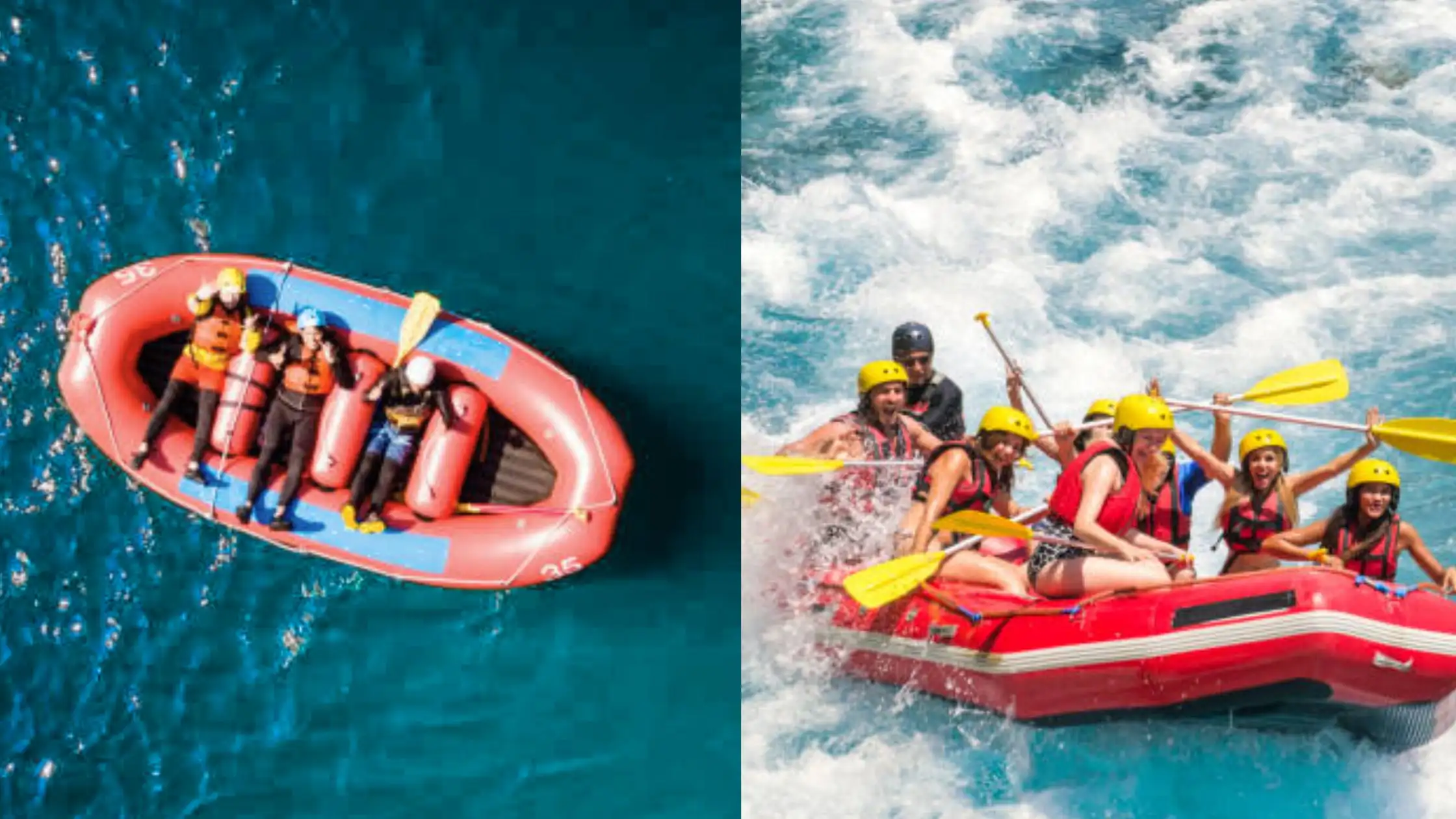
Adventure means different things to different people. For some, it’s about slowing down and soaking in nature. For others, it’s about chasing that heart-racing, adrenaline-pumping thrill. Rafting, interestingly, offers both, and that’s exactly why it has become one of the most loved outdoor activities today.
But here’s where the confusion begins.
When people search for rafting experiences, they often come across terms like river rafting, white water rafting, and even white river rafting.
Many assume they all mean the same thing. In reality, they represent very different kinds of experiences, each with its own level of excitement, challenge, and skill requirement.
If you’ve ever wondered about the white water rafting vs rafting comparison or tried to understand the difference between rafting and white water rafting, this guide will clear it up in a simple, practical way, so you can choose the experience that actually suits you.
What is River Rafting?
River rafting is the more general and widely accessible form of rafting. It involves navigating a river in an inflatable raft, usually across stretches where the water flow is steady but not aggressive.
Unlike what many expect, river rafting isn’t always about intense splashes and sharp drops. In many locations, it’s a calm, scenic activity where the focus is just as much on the surroundings as it is on the ride itself. You drift along the river, paddle occasionally, and enjoy the landscape, making it a great choice for first-timers or those who want a relaxed outdoor experience.
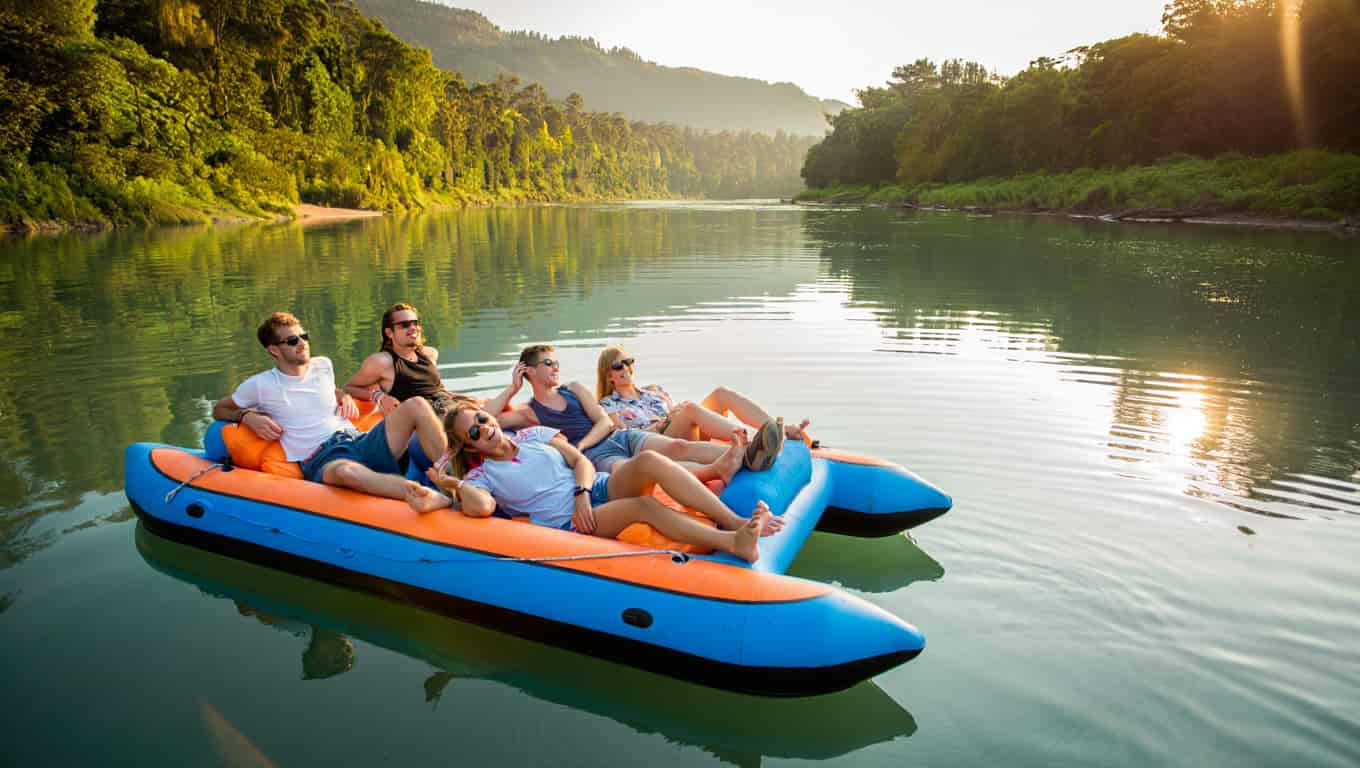
Because the water conditions are relatively stable, river rafting doesn’t demand high levels of physical strength or technical skill. It’s often chosen by families, beginners, and even non-swimmers who want to try something new without stepping too far out of their comfort zone.
What is White Water Rafting?
White water rafting is where the experience shifts from calm exploration to full-blown adventure.
In this form of rafting, you navigate rivers that have strong currents, sudden drops, and turbulent sections known as rapids. The “white water” refers to the frothy, foamy appearance created when fast-moving water crashes over rocks and uneven surfaces.
Instead of simply floating along, you’re actively working with your team – paddling in sync, responding to the guide’s commands, and maneuvering through unpredictable water movements. The intensity can vary depending on the river, but even moderate rapids bring a level of excitement that standard river rafting simply doesn’t offer.
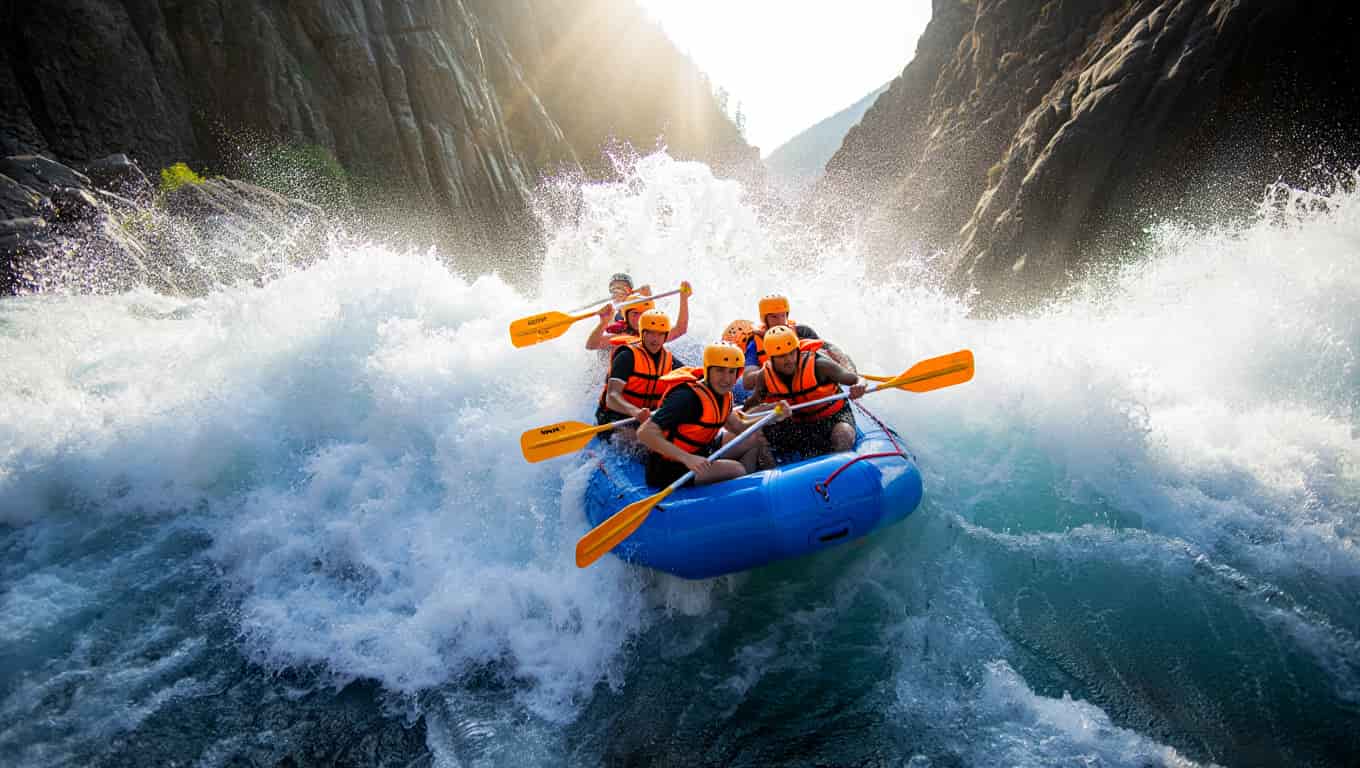
White water rafting is less about relaxation and more about engagement. It challenges your coordination, builds teamwork, and gives you that unmistakable adrenaline rush that adventure seekers look for.
White Water Rafting vs Rafting – Key Differences
To clearly understand the difference between rafting and white water rafting, here’s a side-by-side comparison:
| Aspect | River Rafting (Normal Rafting) | White Water Rafting |
| Water Conditions | Calm to mildly flowing water | Fast-moving, turbulent rapids |
| Difficulty Level | Easy to moderate | Moderate to high (based on rapid grade) |
| Experience Type | Relaxing and scenic | Thrilling and adrenaline-filled |
| Skill Requirement | Minimal, beginner-friendly | Requires coordination and guidance |
| Safety Measures | Basic safety precautions | Strict safety protocols and trained guides |
| Physical Effort | Low to moderate | Moderate to high |
| Best For | Families, beginners, leisure seekers | Adventure lovers, thrill-seekers |
This comparison makes it clear that while both fall under rafting, the difference between normal rafting and white water rafting lies in the intensity, water behavior, and overall experience.
River Rafting vs White River Rafting – Choosing the Right Experience!
When deciding between traditional river rafting vs white river rafting, it really comes down to what you’re expecting from the experience.
If your idea of a perfect outing involves enjoying nature, having light fun with friends or family, and staying within a comfortable level of excitement, river rafting is the better choice. It allows you to ease into the activity without feeling overwhelmed.
On the other hand, if you’re someone who enjoys a bit of unpredictability, doesn’t mind getting drenched, and wants to feel that surge of adrenaline, white water rafting will feel far more rewarding. It’s immersive, energetic, and leaves you with a sense of accomplishment once you’ve navigated through the rapids.
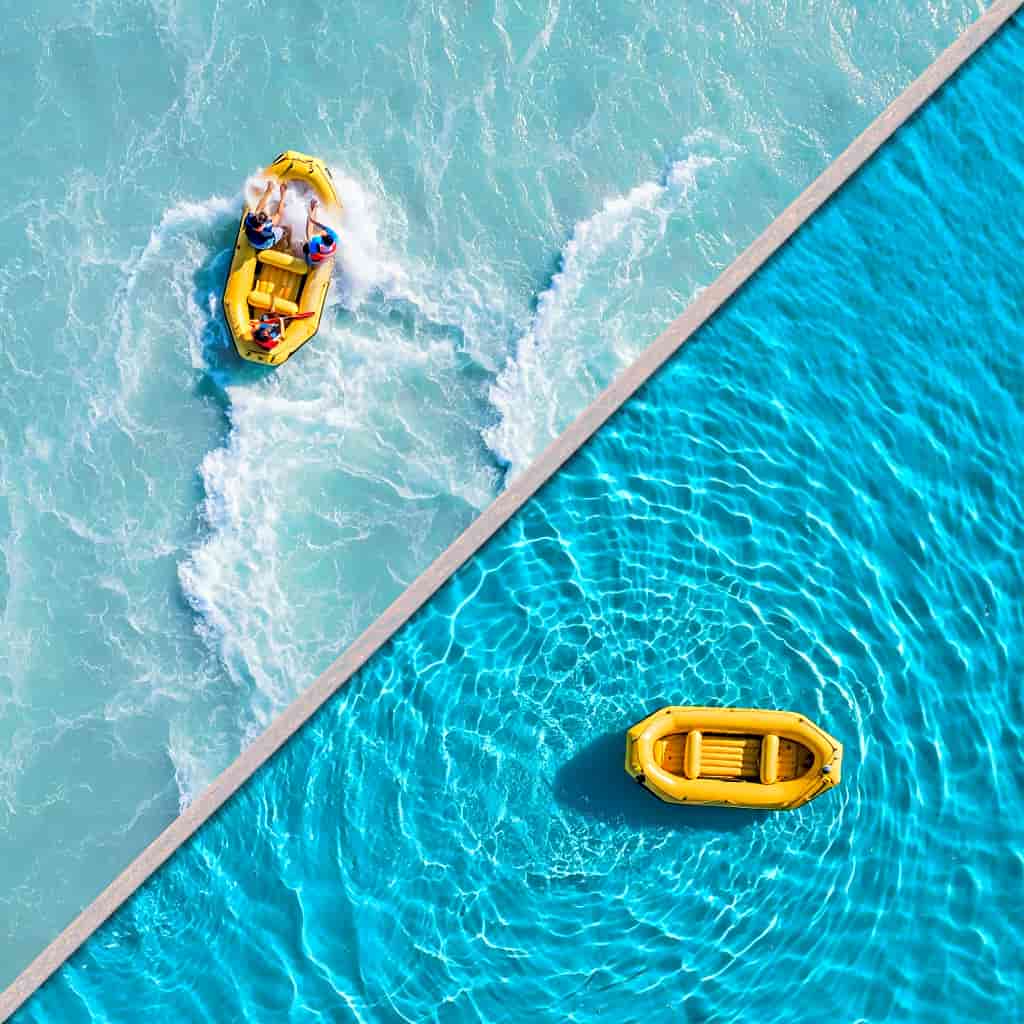
Neither is “better” than the other; they’re simply designed for different kinds of adventurers.
Difference Between Normal Rafting and White Water Rafting
At its core, the difference between normal rafting and white water rafting is not just technical; it’s experiential.
Normal rafting is about enjoying the journey at a steady pace. You observe, relax, and participate casually.
White water rafting, in contrast, pulls you right into the action. It demands attention, quick reactions, and teamwork. The river becomes something you actively engage with rather than glide through.
This difference in involvement is what makes white water rafting feel more intense, memorable, and, for many, addictive.
Experience the Adventure with Kannur White Water Rafting
If you’re planning to try white water rafting in Kerala, Kannur White Water Rafting offers one of the most exciting and well-organized experiences in the region. Set along the scenic Tejaswini River near Cherupuzha, this destination combines natural beauty with the right level of adventure, making it suitable for both beginners and thrill-seekers.
The Tejaswini River is known for its dynamic flow, which creates ideal rafting conditions. As the river moves through varying terrains, it forms a mix of gentle currents and energetic rapids. This natural variation allows participants to experience both controlled sections and more thrilling stretches within the same route, making the overall journey more engaging and well-rounded.
What makes this location particularly appealing is how the rafting routes are structured. Some stretches are relatively smoother and perfect for first-timers who want to ease into the experience, while others feature stronger currents and rapid formations that deliver the excitement associated with white water rafting in Kannur. This balance makes it easier for anyone to understand the real difference between rafting and white water rafting in a practical, hands-on way.
What you can expect from the experience:
- Rafting on the scenic Tejaswini River with natural rapids
- A mix of moderate and energetic water sections for varied experience
- Routes designed to suit both beginners and adventure enthusiasts
- Professional guides ensuring safety and proper coordination
- Certified safety gear including helmets and life jackets
Beyond the activity itself, the surroundings play a huge role in the experience. The river flows through lush greenery and peaceful landscapes, creating moments of calm in between the bursts of action. This contrast between stillness and intensity is what makes rafting here feel immersive rather than just recreational.
In many ways, Kannur White Water Rafting captures the true essence of adventure, where nature, excitement, and experience come together seamlessly.
Why is White Water Rafting Becoming So Popular?
White water rafting has rapidly evolved from a niche adventure sport into one of the most sought-after outdoor experiences in India. What was once limited to a small group of thrill-seekers is now attracting travelers of all kinds – from college groups and corporate teams to families looking for something beyond the usual sightseeing.
One of the biggest reasons behind this shift is the growing desire for real, immersive experiences. People today are moving away from passive travel and looking for activities that make them feel something and white water rafting delivers exactly that. The combination of unpredictable rapids, teamwork, and natural surroundings creates an experience that is both physically engaging and mentally refreshing.
Another factor driving its popularity is accessibility. With professionally managed setups and trained guides, white water rafting is no longer reserved only for experts. Even beginners can safely participate and enjoy the thrill under proper supervision.
Final Thoughts
The conversation around white water rafting vs rafting ultimately comes down to what kind of experience you’re looking for.
If you want something calm, scenic, and beginner-friendly, river rafting is a great place to start. But if you’re ready to step into something more dynamic and exhilarating, white water rafting offers an entirely different level of excitement.
Understanding the difference between rafting and white water rafting helps you make the right choice, not just for safety, but for the kind of memory you want to create.
FAQs
1. What is the difference between rafting and white water rafting?
River rafting is typically done in calm waters, while white water rafting involves navigating fast-moving rapids and turbulent sections.
2. Is white water rafting suitable for beginners?
Yes, beginners can try white water rafting under expert supervision and with proper safety equipment.
3. Which is safer: river rafting or white water rafting?
River rafting is generally safer due to calmer conditions, but white water rafting is also safe when conducted by trained professionals.
4. Do I need to know swimming for white water rafting?
No, non-swimmers can participate as long as they wear life jackets and follow instructions carefully.
5. What is the best place for white water rafting in Kerala?
Kannur White Water Rafting is one of the top options, offering a safe and exciting rafting experience in a scenic setting.